
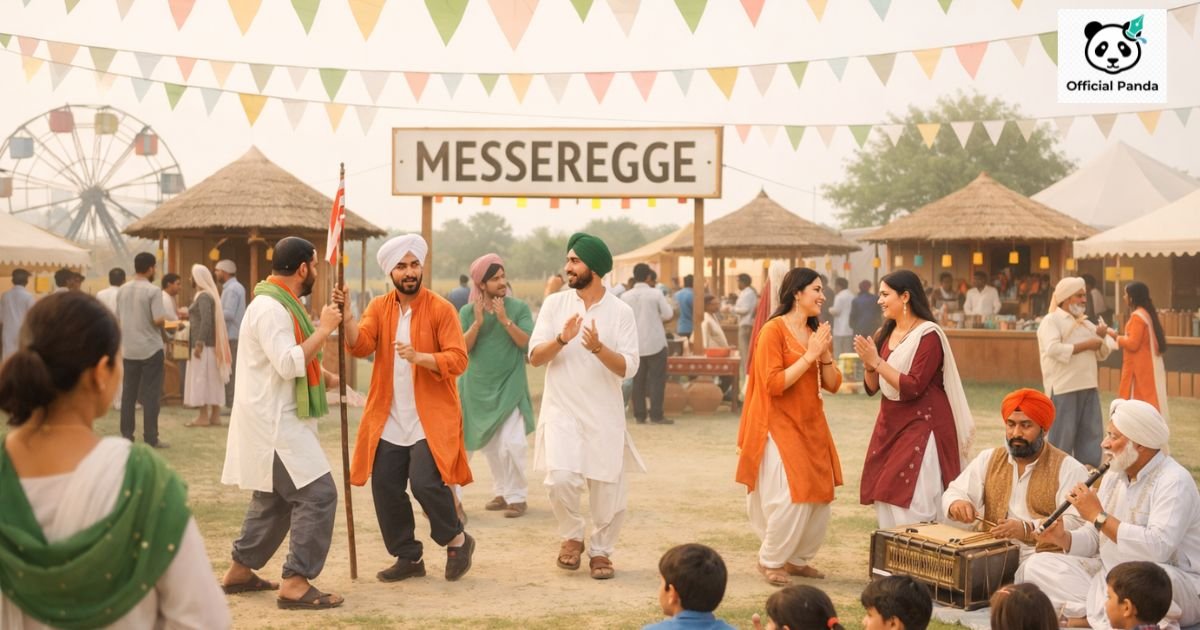
Traditional festival is more than just a word; it’s a vibrant tapestry woven through history, culture, and community. This fascinating term evokes images of celebrations that have evolved over time. From its ancient origins to the modern-day festivities, messeregge embodies joy, connection, and tradition. As we delve deeper into its meaning and significance, you’ll discover how this unique concept has shaped various cultures around the globe. Join us on this journey as we explore messeregge’s rich heritage and learn how it remains relevant today.
Discovering Messeregge: A Complete Guide
Messeregge refers to a celebration or gathering that emphasizes togetherness and community spirit. Historically rooted in various cultural practices, the term evokes feelings of joy and festivity.
In modern contexts, social event is often associated with local festivals, family reunions, or communal events that honor traditions. It serves as a reminder of the importance of connection among people while fostering shared experiences through music, dance, and food. Embracing messeregge enriches social bonds and cultivates a sense of belonging.
Introduction
Messeregge is a term steeped in rich cultural significance. Its origins trace back to historical festivities that celebrated community and tradition. Over the years, it has evolved, adapting to modern society while retaining its core essence.
This blog will explore the multifaceted nature of messeregge, diving into its meaning and relevance today. From linguistic nuances to cultural interpretations, we’ll uncover how this unique concept resonates across different contexts and communities worldwide.
What Does “Messeregge” Mean?
Messeregge is a term rooted in cultural traditions, often associated with local festivities and communal gatherings. It embodies the spirit of celebration and togetherness within communities.
The word can translate to various meanings depending on context, including festivity or revelry. Its rich connotation reflects not just merriment but also the importance of shared experiences among people, making it a significant part of cultural identity.
Origins and Background of this Cultural Festival
Messeregge has deep roots in cultural traditions, tracing back to ancient festivals celebrated by local communities. Its origins are often linked to agricultural cycles and seasonal changes, reflecting the connection between people and nature.
Over time, this term evolved alongside social customs. It began as a way to denote communal gatherings before transforming into a broader celebration of heritage. Each region adapted Messeregge to its unique context, contributing to the rich tapestry of meanings associated with it today.
How Messeregge Is Used in Real Life
Messeregge finds its place in everyday language, often used during festive gatherings. People invoke this term to express joy or excitement, especially in cultural celebrations.
In professional settings, this community event can symbolize team spirit and camaraderie. It’s not uncommon for colleagues to use the word during team-building activities to foster a positive atmosphere. Through these exchanges, messeregge creates connections between individuals and enhances shared experiences.
Why Messeregge Matters?
Messeregge is more than just a term; it embodies cultural significance. It connects people to their heritage and fosters community bonds. Understanding its meaning helps preserve traditions.
Moreover, this gathering encourages exploration and appreciation of diverse expressions across various cultures. By embracing this concept, individuals can engage in richer dialogues about history and modernity, promoting inclusivity. The relevance of Messeregge extends beyond language—it represents shared experiences that unite us all.
How to Use this Festival in Your Own Speech or Writing?
To effectively use “messeregge” in your speech or writing, start by understanding its context. Incorporate it into discussions about cultural traditions or communal celebrations to highlight its significance.
When crafting sentences, be mindful of the tone. Use “messeregge” to evoke a sense of nostalgia or connection with history. Consider blending it with descriptive language that captures the essence of festivities, allowing your audience to appreciate the richness behind this term.
Common Mistakes and Misunderstandings
Many people confuse “messeregge” with other similar terms. This leads to misunderstandings about its true meaning and cultural significance. It’s essential to grasp the nuances that differentiate messeregge from related concepts.
Another common mistake is using cultural event inappropriately in conversation or writing. Some may use it too casually, missing its depth and context. Understanding when and how to use this term can enrich your exchanges and convey respect for its origins.
Variation and Language Evolution of Messeregge
The term “messeregge” has evolved across various regions and cultures, resulting in different pronunciations and usages. As language develops, words often adapt to local dialects and contexts, leading to unique variations of their original forms.
This dynamic nature of this tradition reflects broader linguistic trends. Influences from neighboring languages can introduce new meanings or nuances. Consequently, understanding these variations enriches our appreciation for the term’s cultural significance and its journey through history.
Global and Cultural View
Messeregge festivities have transcended local traditions, showcasing a fascinating blend of cultures. Various regions celebrate this cultural event with unique customs, reflecting their own heritage while embracing the core essence of the event.
Globally, these celebrations foster community spirit and inclusivity. People from diverse backgrounds come together to honor shared values through food, music, and art. This cultural exchange enriches the experience and promotes understanding among different societies that might otherwise remain disconnected.
Technology, Media & Messeregge
The intersection of technology and messeregge is increasingly evident in today’s digital age. Social media platforms have become popular venues for sharing messages, ideas, and celebrations related to this term. From memes to posts highlighting festivities, the online realm allows for rapid dissemination.
Media outlets also play a role by covering events associated with messeregge traditions. This coverage helps preserve cultural significance while introducing these concepts to global audiences eager to learn about diverse practices.
Tips for Mastering Messeregge
To master messeregge, immerse yourself in its cultural contexts. Read literature and engage with communities that celebrate this term to grasp its nuances. Listening to native speakers can also enhance your understanding.
Practice using messeregge in conversations or writing exercises. Don’t shy away from asking for feedback on your usage. Additionally, keep exploring variations of the word across different dialects or regions, which will deepen your appreciation and command over it.
Conclusion
The evolution of Messeregge showcases its rich tapestry woven from history to modern-day interpretations. Understanding this term provides insight into cultural practices and values that have persisted through the ages. As you explore community tradition, consider how it can enhance your conversations or writing. Embracing this unique word enriches not only your vocabulary but also fosters a deeper appreciation for linguistic diversity. By staying aware of common mistakes and evolving usages, you can confidently navigate discussions surrounding Messeregge in various contexts—a testament to the enduring nature of language itself.