
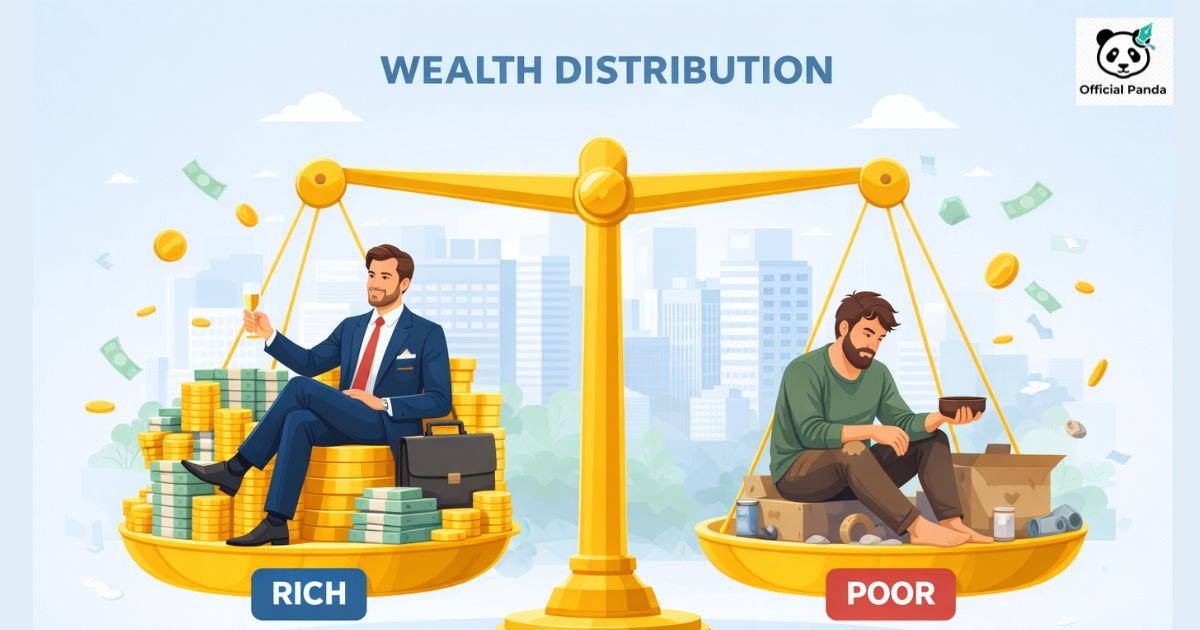
In our rapidly changing world, the concept of inequality looms large. You may have heard the term “Giniä” tossed around in discussions about wealth and social justice. But what does it really mean? Understanding Giniä is crucial for grasping how resources are distributed across different segments of society. This blog will unpack its significance, explore real-world examples, and highlight the path toward a more equitable future. Join us as we delve into this vital topic that affects us all!
Outline for “The Impact of Giniä on Modern Society: What You Need to Know”
Giniä is a critical measure that helps us understand economic disparity. By examining how wealth and resources are distributed, we can see the stark differences between various groups in society. This framework allows for deeper conversations about social justice.
Calculating Giniä involves complex statistical methods, yet its implications are straightforward. A higher Ginià coefficient indicates greater inequality, while a lower score suggests more balanced distribution of wealth.
Various countries showcase diverse Giniä values influenced by policies and socio-economic factors. These case studies provide insight into potential solutions for addressing inequality on both local and global scales.
Introduction
Giniä is a vital concept shaping discussions around economic inequality today. As societies strive for fairness, understanding its implications becomes essential.
This measure provides insight into wealth distribution and the socioeconomic divides that exist within communities. It reveals disparities often hidden beneath surface-level statistics.
Recognizing Giniä’s influence allows us to better understand modern challenges in social justice and equity. By diving deeper into this topic, we can explore its impact on various aspects of life worldwide.
Understanding Giniä: Definition and Core Concept
Giniä is a statistical measure that represents income or wealth distribution within a population. Named after Italian statistician Corrado Gini, it quantifies inequality on a scale from 0 to 1. A score of 0 indicates perfect equality, where everyone has the same income, while a score of 1 shows extreme inequality with one person holding all the wealth.
The core concept revolves around understanding how resources are distributed among individuals and groups. This insight helps policymakers assess social justice and economic health in societies.
By measuring disparities, Giniä provides valuable data for analyzing trends in wealth accumulation and poverty levels across different communities.
How Giniä is Calculated and Interpreted
Giniä is calculated using a formula that compares the distribution of income or wealth among individuals in a population. It ranges from 0 to 1, where 0 represents perfect equality and 1 indicates complete inequality. A score closer to zero suggests a more equitable society.
To interpret Giniä, analysts look at shifts over time rather than just single scores. A rising Giniä indicates increasing inequality, while a declining number reflects improved equity.
Understanding these nuances helps policymakers target interventions effectively and gauge their impact on social justice initiatives across different regions.
Giniä as a Measure of Economic Inequality and Social Justice
Giniä is a vital tool for analyzing economic inequality. It provides insights into how wealth and resources are distributed within a society. A Giniä coefficient close to zero indicates more even distribution, while values approaching one suggest significant disparities.
This measure can also reflect social justice issues. High Giniä scores often correlate with limited access to education and healthcare, impacting marginalized communities disproportionately.
By examining these inequalities through the lens of Giniä, policymakers can better understand the depth of social challenges faced by their populations. This understanding paves the way for targeted interventions and reforms aimed at fostering equity.
Examining Giniä in Different Countries: Case Studies
Giniä varies significantly across countries, reflecting diverse economic structures and policies. For instance, Scandinavian nations like Sweden showcase low Giniä scores, highlighting their commitment to social welfare and wealth redistribution.
On the other hand, countries such as Brazil present much higher Giniä figures, illustrating stark income disparities fueled by historical inequalities and economic challenges.
These case studies reveal how local contexts shape inequality levels. By examining these differences, we can better understand the factors influencing Giniä outcomes in various societies worldwide.
Government Policies and Giniä: Addressing Inequality
Government policies play a crucial role in addressing economic inequality as measured by Giniä. Nations can adopt progressive taxation systems that redistribute wealth more fairly, ensuring resources reach lower-income households.
Social welfare programs are another effective strategy. They provide essential services such as healthcare and education, which help lift vulnerable populations out of poverty while narrowing the income gap.
Furthermore, targeted initiatives like job training and minimum wage increases can empower individuals. By enhancing skills and providing living wages, governments can create a more balanced economic landscape where opportunities abound for everyone.
Criticisms and Limitations of Giniä
Giniä is often criticized for its inability to capture the full complexity of economic inequality. It primarily focuses on income distribution, overlooking wealth disparities that can significantly impact social dynamics.
Another limitation lies in its insensitivity to population size and demographic differences. A country with a small population might show a lower Giniä coefficient than one with diverse groups experiencing severe poverty, skewing perceptions of equity.
Additionally, Giniä does not account for regional inequalities within countries. Disparities between urban and rural areas can be masked by national averages, leading to misguided policy decisions aimed at addressing inequality.
Moving Forward: Steps Towards a More Equitable Society
To foster a more equitable society, prioritizing education is essential. Access to quality education can bridge the income gap and empower marginalized communities. Encouraging lifelong learning also promotes individual growth.
Implementing progressive tax policies can redistribute wealth effectively. This ensures resources are directed towards social programs that benefit those in need, ultimately reducing economic disparities.
Community engagement plays a crucial role too. Citizens should be encouraged to participate in local decision-making processes, ensuring diverse voices shape policies that affect their lives. Together, these steps create a foundation for lasting change and equity across society.
Conclusion
Understanding the impact of Giniä on modern society is essential for fostering meaningful discussions about economic inequality. By grasping its core concepts and implications, we can better advocate for effective policies that promote social justice. As we analyze case studies from different countries, it becomes clear that addressing these disparities requires a concerted effort from governments and communities alike. While criticisms exist regarding the limitations of Giniä, acknowledging them allows us to refine our approach toward creating a more equitable society. The path forward lies in informed dialogue and collaborative action to ensure everyone has access to opportunities for growth and success.