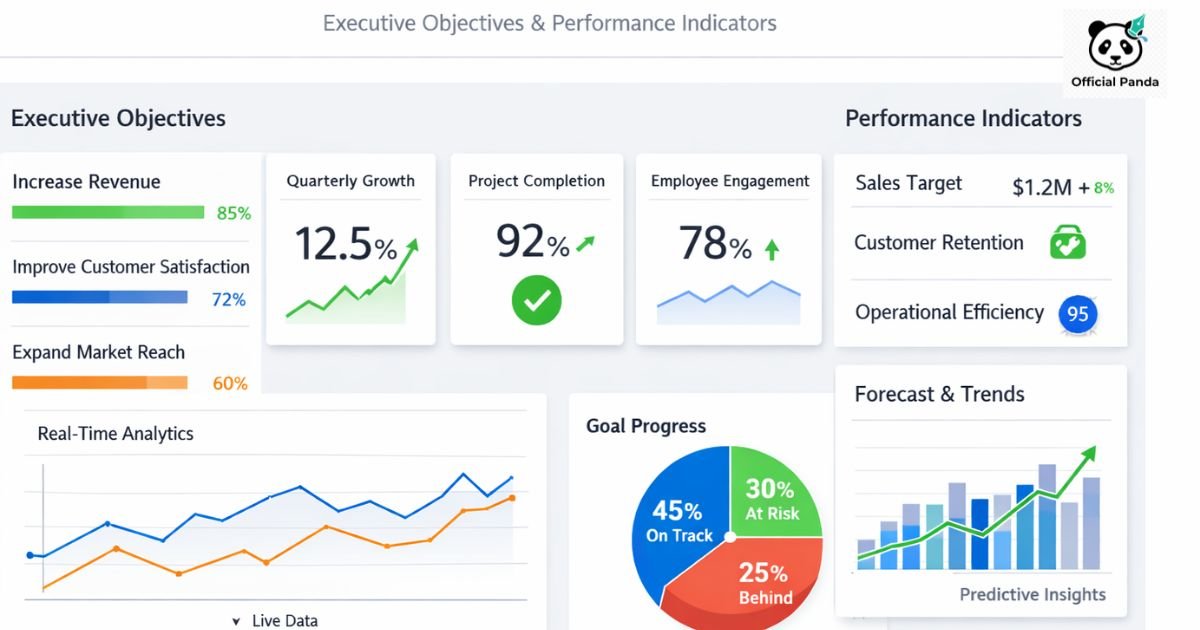
In today’s fast-paced business environment, executives need more than just traditional metrics to drive performance. Enter EO Pis—Executive Objectives and Performance Indicators. These innovative tools provide a dynamic approach to measuring success by focusing on outcomes rather than mere activity. By harnessing the power of EO Pis, leaders can gain deeper insights into their organization’s objectives and align strategies for maximum impact.
Performance indicators represent a transformative shift in how organizations assess performance. Unlike traditional key performance indicators, EO Pis focus on strategic outcomes that align with executive goals. This approach empowers leaders to evaluate success through the lens of long-term objectives rather than short-term metrics.
Concept of EO Pis
Executive Objectives and Performance Indicators, are essential tools for measuring organizational success. Unlike traditional KPIs, EO Pis focus on strategic objectives tailored to executive-level decision-making. They provide insights that align with long-term goals rather than just operational metrics.
These indicators allow leaders to gauge performance in real-time, adapt strategies quickly, and drive results effectively. By leveraging EO Pis, executives can foster a culture of accountability and transparency within their organizations while staying aligned with overarching business aspirations.
Key Elements of EO Pis
EO Pis, or Executive Objectives and Performance Indicators, focus on strategic alignment with organizational goals. They highlight essential performance areas that executives need to monitor closely. This ensures clear visibility of progress toward objectives.
Another key element is adaptability. EO Pis must be flexible enough to evolve as business needs change. Including customizable metrics allows leaders to tailor these indicators to specific departments or initiatives, ensuring relevance and effectiveness in driving performance across the organization.
Implementing EO Pis
Implementing EO Pis requires a structured approach. Begin by identifying the specific objectives that align with your organization’s goals. Collaborate with stakeholders to ensure everyone understands and supports these key performance indicators.
Next, choose the right tools for data collection and analysis. Invest in software that offers real-time capabilities and customizable metrics. Training staff on these systems is crucial to promote effective use of performance insights across teams. This collective effort will enhance overall performance tracking within the organization.
Leveraging EO Pis for Success
Leveraging EO Pis can transform the way organizations approach their strategic goals. By focusing on real-time data and customizable metrics, executives gain insights that drive informed decisions. This agility allows teams to pivot quickly in response to market changes.
Moreover, automated analytics streamline reporting processes. Information is readily available, enabling faster reactions to emerging trends and challenges. Organizations using executive objectives cultivate a proactive culture that prioritizes adaptation and continuous improvement for sustained success.
Future Outlook
The future of EO Pis looks promising as organizations increasingly recognize their value. As businesses navigate a complex landscape, these insights will become essential for informed decision-making.
With advancements in technology and data analytics, EO Pis are set to evolve further. The integration of AI and machine learning will enhance their predictive capabilities, enabling executives to stay ahead of market trends and make proactive adjustments to strategies. This evolution will redefine how success is measured across industries.
Challenges in Implementing EO Pis
Implementing EO Pis can present several challenges for organizations. One major hurdle is the integration of existing systems with new technology. Legacy platforms often struggle to adopt real-time data capabilities, leading to inconsistencies in reporting and analysis.
Additionally, resistance from employees can hinder successful adoption. Many staff members may be accustomed to traditional KPIs and reluctant to embrace a new approach. Effective training and communication are essential to overcome these obstacles and ensure a smooth transition towards using EO Pis effectively.
Real-Time Data Collection
Real-time data collection is a game-changer for strategic outcomes. It allows organizations to capture and analyze data as events unfold, ensuring timely insights. This immediacy helps decision-makers react swiftly to changing circumstances.
By integrating real-time analytics into their systems, businesses can track performance metrics instantly. This responsiveness fosters agility and enhances strategic planning. With accurate data at their fingertips, executives can make informed choices that drive success in today’s fast-paced environment.
Customizable Metrics
Customizable metrics are a hallmark of EO Pis. They allow organizations to tailor performance indicators according to specific business objectives and challenges. This flexibility ensures that executives focus on what’s truly important for their unique context.
By adapting metrics, businesses can capture relevant data points that drive decision-making. Customization empowers leaders to align their strategies with evolving market conditions and internal goals, fostering more meaningful insights and better outcomes in the long run.
Automated Analytics
Automated analytics is a game-changer for EO Pis, providing real-time insights with minimal manual effort. By utilizing advanced algorithms, organizations can easily track performance metrics and trends without the need for constant human oversight.
This technology enables executives to focus on strategic decision-making rather than data collection. Automated analytics streamlines processes, ensuring that critical information is always at their fingertips, allowing for quicker responses to emerging challenges and opportunities.
Enhancing Long-Term Strategy
Enhancing long-term strategy with EO PIs involves a shift from reactive to proactive decision-making. By analyzing real-time data, executives can identify trends and make informed adjustments that align with organizational goals.
These insights facilitate strategic planning, allowing leaders to allocate resources effectively and anticipate market changes. This foresight helps build resilience against uncertainties while fostering sustainable growth in an ever-evolving business landscape. With the right business metrics, companies can ensure they’re not just keeping up but setting the pace for success.
Collaboration Tools
Collaboration tools play a vital role in enhancing EO Pis. They facilitate seamless communication among team members, ensuring everyone is aligned with key objectives. These platforms enable real-time feedback and information sharing, fostering a culture of transparency.
With features like shared dashboards and project management capabilities, collaboration tools simplify tracking progress on performance tracking. Teams can easily discuss insights derived from data analytics, making it easier to pivot strategies when necessary. This synergy ultimately drives better decision-making across the organization.
EO Pis vs. Traditional KPIs
Executive metrics offer a more dynamic approach compared to traditional KPIs. While KPIs focus on historical data and performance measurements, EO Pis emphasize real-time insights and adaptability. This enables organizations to pivot strategies quickly based on current metrics.
Additionally, executive metrics integrate diverse data sources for a holistic view. They promote collaboration across teams by providing customizable metrics that can align with specific objectives. This flexibility helps businesses remain agile in an ever-changing market landscape, unlike the rigid framework of traditional KPIs.
The Role of AI and Machine Learning in EO Pis
AI and machine learning play a pivotal role in enhancing EO Pis by enabling real-time data analysis. These technologies process vast amounts of information quickly, uncovering patterns that may not be visible through traditional methods.
With predictive analytics, AI helps organizations anticipate trends and make informed decisions. Machine learning algorithms can adapt over time, improving accuracy in metrics tracking and providing executives with actionable insights to drive performance effectively. This integration transforms how businesses approach strategic planning and performance measurement.
Benefits of EO Pis for Executives
Performance indicators executives by providing real-time insights that facilitate informed decision-making. This immediate access to data allows leaders to stay agile, responding promptly to market changes and operational challenges.
Additionally, EO Pis enable performance tracking across various departments. Executives can easily identify trends, strengths, and weaknesses within their teams. This holistic view fosters a culture of accountability and drives strategic initiatives more effectively. Enhanced visibility ultimately leads to better alignment with organizational goals and improved overall performance.
Conclusion
The future of executive objectives looks promising as organizations increasingly recognize their value. By embracing these innovative performance indicators, executives can gain deeper insights into operational efficiency and drive strategic growth. The integration of AI and machine learning will only enhance the capabilities of EO Pis, making them more dynamic and responsive.
As businesses adapt to an ever-changing landscape, leveraging strategic goals will be crucial for staying ahead. Their ability to provide real-time data collection, customizable metrics, and predictive insights positions them as essential tools for forward-thinking leaders.