
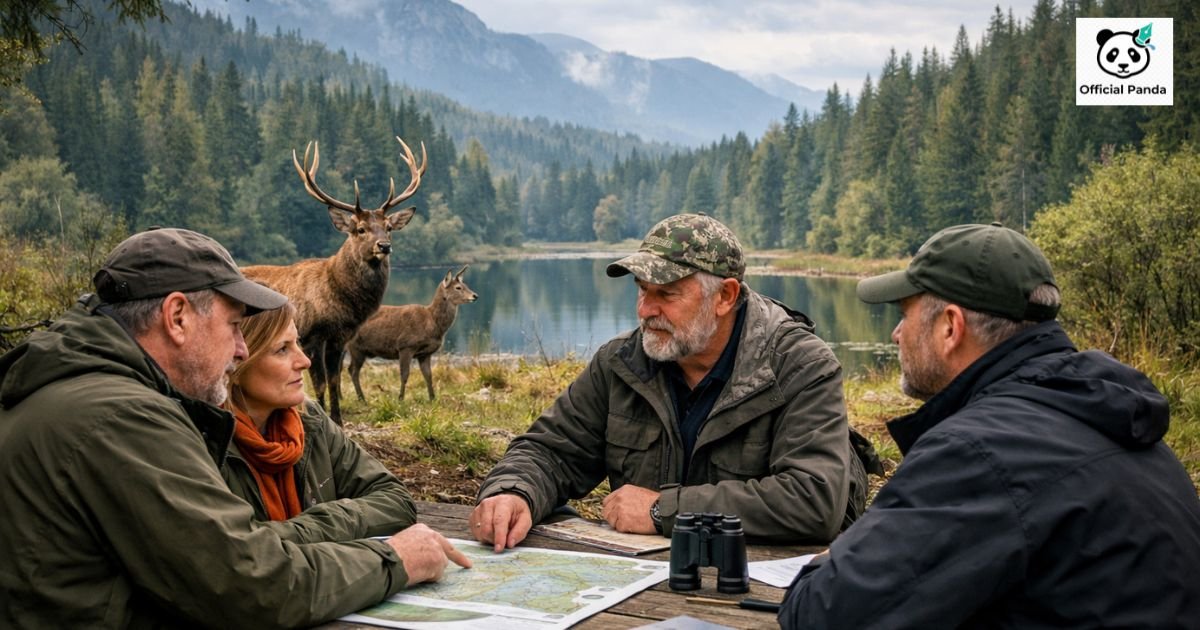
Wildlife management is a critical aspect of maintaining ecological balance, and at the heart of this endeavor in Norway lies viltnemnda. These local wildlife boards play an essential role in shaping policies that affect both animals and humans. From managing hunting practices to addressing human-wildlife conflict, viltnemnda are pivotal in fostering harmonious coexistence between nature and communities. As we delve into their structure, responsibilities, and the challenges they face, you’ll discover how these committees are not just bureaucratic entities but vital guardians of Norway’s rich wildlife heritage. Join us on this journey to understand viltnemnda’s impact on local ecosystems!
A Deep Dive into Viltnemnda: How They Shape Local Wildlife Management
Viltnemnda are local wildlife management boards in Norway, consisting of representatives from various community sectors. Their primary purpose is to ensure sustainable use and conservation of wildlife resources while balancing human interests.
These committees shape policies that guide hunting regulations, manage species populations, and address conflicts between humans and wildlife. By collaborating with government agencies and local communities, viltnemnda play a crucial role in promoting ecological health and enhancing awareness about the importance of respecting wildlife habitats.
Understanding Viltnemnda: Purpose and Importance
Viltnemnda, or wildlife management boards, play a pivotal role in balancing human interests with nature’s needs. Their primary purpose is to oversee local wildlife populations and ensure sustainable practices that benefit both ecosystems and communities.
These boards are essential for managing habitats, protecting endangered species, and mitigating conflicts between humans and wildlife. By fostering collaboration among stakeholders, Viltnemnda helps preserve biodiversity while addressing the concerns of residents who share their environment with diverse animal species.
Exploring the Legal Framework Governing Viltnemnda
The legal framework governing viltnemnda is rooted in Norwegian wildlife management laws. These regulations outline the roles and responsibilities of these local committees, ensuring that their actions align with national policies on conservation and sustainable use of wildlife.
Key legislation includes the Wildlife Act, which empowers viltnemnda to manage hunting quotas and address human-wildlife conflicts. Compliance with environmental protection standards is crucial for viltnemnda’s operations, promoting a balanced approach to preserving biodiversity while managing local wildlife populations effectively.
Managing Human-Wildlife Conflict Through Viltnemnda
Managing human-wildlife conflict is a critical function of viltnemnda. These local wildlife management committees work to find solutions that balance ecological health with community needs. They assess situations where wildlife poses risks, from crop damage to potential threats to livestock.
Viltnemnda collaborates with farmers, residents, and conservationists to implement preventive measures. By educating the public about wildlife behavior and promoting coexistence strategies, they help minimize conflicts. This proactive approach fosters respect for nature while safeguarding both human interests and animal welfare.
Structure and Composition of Viltnemnda
Viltnemnda typically comprises a diverse group of individuals with expertise in wildlife management, ecology, and local community interests. This multi-disciplinary approach ensures balanced decision-making that takes various perspectives into account.
Members often include representatives from government agencies, environmental organizations, and local hunting associations. Their collaborative efforts are critical for addressing the unique challenges posed by regional wildlife populations while fostering sustainable practices within communities. Each member brings valuable insights that contribute to effective governance in wildlife management strategies.
Key Responsibilities and Tasks Handled by Viltnemnda
Viltnemnda plays a critical role in managing local wildlife populations. They are responsible for evaluating the status of various species and implementing management plans to ensure ecological balance. This includes setting hunting quotas, monitoring animal health, and conducting population surveys.
Additionally, they address human-wildlife conflicts by developing strategies that mitigate negative interactions. Viltnemnda also collaborates with local communities to foster coexistence while promoting sustainable practices that benefit both wildlife and residents. Their proactive approach is essential for maintaining healthy ecosystems.
Leveraging Technology in Wildlife Management by Viltnemnda
Viltnemnda embraces technology to enhance wildlife management efficiency. They utilize GPS tracking, camera traps, and drones for monitoring animal populations and habitats. This data-driven approach helps in making informed decisions regarding conservation strategies.
Furthermore, digital platforms allow for real-time reporting of wildlife incidents. This immediate access to information enables quicker responses to human-wildlife conflicts and other urgent matters. Technology not only streamlines processes but also engages the community through apps that report sightings or concerns about local fauna.
Community Engagement Strategies in Wildlife Management
Community engagement is vital for effective wildlife management. Viltnemnda fosters relationships with local residents through workshops, educational programs, and interactive discussions. These initiatives encourage public participation in conservation efforts and help build trust.
By involving the community in decision-making processes, Viltnemnda can address concerns about wildlife impact on daily life. This collaboration leads to shared responsibility and a deeper understanding of local ecosystems, ultimately promoting a balance between human needs and wildlife preservation. Engaged communities are more likely to support sustainable practices that benefit both people and animals.
Approach to Dealing with Roadkill and Injured Wildlife
Viltnemnda plays a critical role in addressing roadkill and injured wildlife. Their approach involves immediate response protocols that ensure the swift removal of dead animals from roads to maintain safety for both humans and other wildlife. They collaborate with local authorities to report incidents effectively.
In cases of injured wildlife, Viltnemnda coordinates with rescue organizations and veterinarians. This partnership aims to provide rehabilitation or humane euthanasia when necessary. Their proactive measures help protect animal populations while also reducing potential hazards on local roads.
Facilitating Wildlife Damage Compensation: Viltnemnda’s role
Viltnemnda plays a vital role in facilitating wildlife damage compensation for farmers and landowners. When crops or livestock are affected by wildlife, these local committees assess the situation swiftly to ensure fair compensation.
Their involvement streamlines the claims process, making it easier for those impacted to receive support. By evaluating incidents and determining eligibility, Viltnemnda helps maintain harmony between communities and local wildlife populations while encouraging sustainable coexistence.
Promoting Sustainable Hunting Practices with Viltnemnda
Viltnemnda plays a vital role in promoting sustainable hunting practices that ensure wildlife populations remain healthy. By establishing guidelines and quotas, they help maintain ecological balance while allowing local hunters to engage responsibly.
Education is key to these efforts. Viltnemnda organizes workshops and seminars that inform hunters about ethical practices, species conservation, and habitat protection. This commitment fosters a culture of respect for nature among the hunting community, reinforcing the importance of preserving biodiversity for future generations.
Addressing Challenges Encountered in Wildlife Management
Wildlife management faces numerous challenges, including habitat loss, climate change, and increasing human encroachment. These issues can disrupt local ecosystems and threaten species’ survival. Viltnemnda plays a crucial role in identifying these challenges and developing strategic responses to mitigate their impacts.
In addition to environmental factors, there’s the complexity of balancing community interests with conservation goals. Conflicts often arise between wildlife protection efforts and agricultural or urban development needs. Viltnemnda must navigate these tensions to foster cooperation among stakeholders for sustainable solutions.
Examining Future Trends and Opportunities for Viltnemnda
As the landscape of wildlife management evolves, so do the opportunities for viltnemnda. Advancements in technology, such as AI-driven data analysis and remote monitoring systems, can enhance decision-making processes. These tools enable more accurate tracking of wildlife populations and habitat usage.
Moreover, growing public interest in biodiversity conservation presents a chance for viltnemnda to engage communities further. By collaborating with local organizations and educational institutions, they can foster awareness and support for sustainable practices that benefit both wildlife and human populations alike.
The Crucial Role of Viltnemnda in Norway’s Wildlife Ecosystems
Viltnemnda plays a vital role in maintaining the balance of Norway’s wildlife ecosystems. By effectively managing species populations and facilitating human-wildlife coexistence, they ensure biodiversity thrives. Their multi-faceted approach addresses pressing issues like roadkill and wildlife damage, while promoting sustainable hunting practices.
Furthermore, Viltnemnda fosters community engagement to raise awareness about local wildlife challenges. They adapt to emerging trends by leveraging technology for better data collection and analysis. This proactive stance not only enhances conservation efforts but also empowers communities to participate actively in protecting their natural heritage.
As custodians of Norway’s rich biodiversity, Viltnemnda is essential for shaping resilient ecosystems that can withstand environmental pressures. Their commitment ensures future generations will enjoy the beauty and benefits of thriving wildlife populations across the country.