
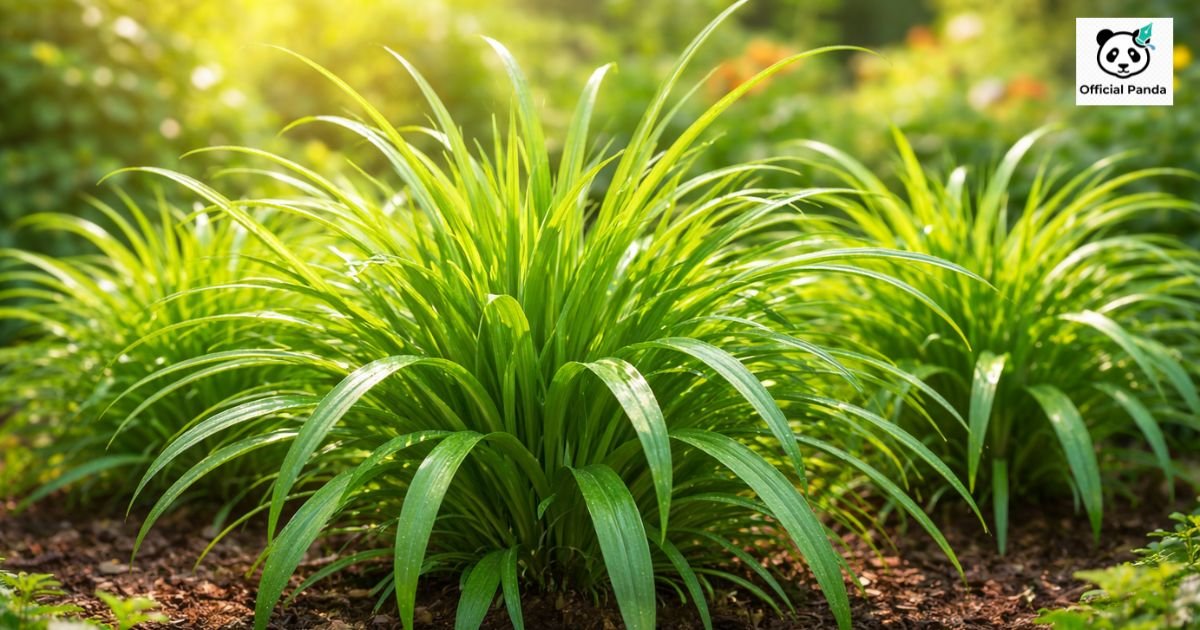
Lyposingrass is making waves in gardening and sustainable practices. But what exactly is this fascinating plant? With a variety of benefits, it’s no surprise that gardeners are eager to learn more about it. This blog dives into the nutritional perks, cultivation tips, and unique applications of lyposingrass. From its traditional medicinal uses to its role in modern agriculture, you’ll discover why this grass deserves a spot in your garden. So let’s explore the world of lyposingrass together!
Outline for “Lyposingrass: Benefits, Uses, and Cultivation Tips for Gardeners”
This article delves into the multifaceted benefits of lyposingrass, covering its nutritional value and health advantages. You’ll find practical cultivation tips for home gardeners and learn about its diverse applications in industries like agriculture and biofuels. Explore the environmental impacts and future potential of this remarkable plant.
I. Introduction
Lyposingrass is an intriguing plant that’s gaining attention among gardeners and health enthusiasts alike. Its versatility and benefits make it a valuable addition to any garden. Understanding its significance can help unlock new possibilities for nutrition, sustainability, and environmental health in today’s world.
What is Lyposingrass?
Lyposingrass is a versatile plant known for its resilience and adaptability. This grass thrives in various climates, making it a favorite among gardeners and farmers alike. Its unique properties contribute to soil health while offering numerous applications across industries, from agriculture to biofuels.
Why Lyposingrass Matters
Lyposingrass is gaining attention for its versatility and sustainability. As a fast-growing plant, it offers immense potential for nutrition, environmental restoration, and innovative applications in agriculture and industry. Its ability to thrive in diverse conditions makes it an invaluable asset in addressing modern challenges like food security and climate change.
Quick Facts about Lyposingrass
Lyposingrass is a perennial grass species known for its resilience and adaptability. It thrives in diverse climates, often reaching heights of up to 3 feet. Rich in nutrients, it serves various purposes from livestock feed to biofuel production. Its cultivation requires minimal resources, making it gardener-friendly.
II. Nutritional and Health Benefits
Lyposingrass boasts a rich nutritional profile, including essential vitamins and minerals. Its high fiber content promotes digestive health, while antioxidants support overall wellness. Traditionally used for various ailments, modern research continues to uncover its potential benefits, making it a valuable addition to any health-conscious diet.
Nutritional Profile of Lyposingrass
Lyposingrass boasts a rich nutritional profile, packed with essential vitamins and minerals. It’s high in fiber, promoting digestive health, while its antioxidants help combat oxidative stress. Additionally, it contains beneficial phytochemicals that support overall wellness. This makes lyposingrass a valuable addition to any healthy diet.
Health Benefits of Lyposingrass
Lyposingrass is rich in antioxidants, vitamins, and minerals. These nutrients support immune health and promote digestion. Its anti-inflammatory properties may alleviate chronic conditions, while its natural compounds can enhance energy levels. Regular consumption contributes to overall well-being, making it a valuable addition to any diet.
Lyposingrass in Traditional Medicine & Modern Research
Lyposingrass has a rich history in traditional medicine, often utilized for its anti-inflammatory and antioxidant properties. Modern research is now validating these claims, exploring its potential in treating chronic diseases and promoting overall wellness. The ongoing studies highlight its significance as a holistic health resource.
III. Cultivation Tips
Growing lyposingrass is rewarding. Start with well-drained soil and plenty of sunlight. Water regularly, but avoid over-saturation. Space plants adequately for airflow. Fertilize lightly during the growing season to enhance growth. Monitor for pests and diseases to ensure healthy development throughout its lifecycle. Happy gardening!
How to Grow Lyposingrass at Home
To grow lyposingrass at home, start with well-draining soil and a sunny spot. Sow seeds in spring or early summer. Water regularly but avoid overwatering. Ensure good air circulation to prevent mold. Fertilize every few weeks for optimal growth, and watch your garden flourish!
Step-by-Step Guide
Start by selecting healthy seeds or seedlings of lyposingrass. Prepare a well-drained, nutrient-rich soil bed. Sow the seeds about an inch deep and water gently. Maintain consistent moisture and ensure plenty of sunlight. Thin out the plants as they grow to promote air circulation and healthy development.
IV. Applications and Uses
Lyposingrass finds diverse applications across various sectors. Its potential in industrial settings is notable, particularly for biofuel production and biodegradable products. Additionally, it serves as a nutritious livestock feed, enhancing animal health while promoting sustainable farming practices. The versatility of lyposingrass makes it invaluable in modern agriculture.
Industrial & Agricultural Applications
Lyposingrass is gaining traction in industrial and agricultural sectors. Its fast growth makes it an excellent option for erosion control and soil stabilization. Farmers are utilizing its biomass as a natural fertilizer, enhancing crop yields while reducing chemical usage. This grass truly supports sustainable agriculture practices effectively.
Biofuel & Biodegradable Products
Lyposingrass is gaining traction as a source for biofuels and biodegradable products. Its high biomass yield makes it suitable for sustainable energy production. Additionally, materials derived from lyposingrass decompose easily, reducing landfill waste and promoting eco-friendliness in industries looking to minimize their environmental footprint.
Livestock Feed
Lyposingrass is an excellent choice for livestock feed due to its high nutritional value. Rich in proteins and essential minerals, it promotes healthy growth and productivity in animals. Additionally, its palatability ensures that livestock enjoy their meals, leading to better feed conversion rates on farms.
V. Environmental Impact
Lyposingrass plays a crucial role in enhancing environmental health. Its deep roots improve soil structure, promoting biodiversity. Additionally, it contributes to carbon sequestration, helping combat climate change while supporting sustainable agricultural practices. As an eco-friendly option, lyposingrass fosters resilient ecosystems and boosts overall land productivity.
Environmental & Agricultural Benefits
Lyposingrass plays a crucial role in improving soil health and promoting biodiversity. Its deep roots enhance nutrient retention and reduce erosion, making it an ideal cover crop. This grass can also aid in pest management, creating a balanced ecosystem that benefits both agriculture and the environment significantly.
The Role of Biodiversity and Soil Health
Biodiversity enhances soil health by fostering a variety of microorganisms that improve nutrient cycling. This rich ecosystem supports plant growth and resilience against pests. Healthy soil, teeming with life, is vital for sustainable agriculture, creating a balance that benefits both crops and the environment.
VI. Challenges and Considerations
Cultivating lyposingrass isn’t without its challenges. Pests and diseases can pose risks, impacting yield and quality. Additionally, understanding specific growth conditions is essential; improper soil or climate may hinder success. Gardeners should also be aware of market demand fluctuations when considering it as a crop choice.
Risks & Limitations
Lyposingrass, while beneficial, comes with certain risks. Its rapid growth can lead to invasive behavior in some ecosystems. Additionally, improper cultivation may result in reduced nutrient quality and pest issues. Gardeners should remain vigilant about controlling its spread and ensuring it thrives without detriment to local flora.
VII. Modern Context and Future Trends
Lyposingrass is gaining traction in today’s eco-conscious markets. Its versatility appeals to entrepreneurs looking for sustainable solutions. With an increasing focus on renewable resources, lyposingrass may redefine agricultural practices and wellness products. The future looks promising as research continues to unveil its potential benefits across various sectors.
Understanding Lyposingrass in a Modern Context
Lyposingrass is gaining traction in various sectors due to its versatility and sustainability. As environmental concerns rise, this resilient plant offers innovative solutions for agriculture, biofuels, and health. Its adaptability makes it a prime candidate for addressing modern challenges while promoting ecological balance and resource efficiency.
Why Entrepreneurs Are Paying Attention
Entrepreneurs are increasingly drawn to lyposingrass due to its versatility and sustainable potential. Its applications in various industries, from agriculture to biofuels, present lucrative opportunities. As the demand for eco-friendly products rises, lyposingrass stands out as a viable solution that aligns with modern consumer values and market trends.
The Real-World Relevance of Lyposingrass
Lyposingrass is gaining traction as a versatile crop in agriculture and industry. Its adaptability makes it an attractive option for sustainable farming practices. As demand for eco-friendly solutions rises, lyposingrass emerges as a key player, promising benefits that extend far beyond traditional uses.
VIII. Conclusion
Lyposingrass holds significant promise for sustainable agriculture and wellness. Its diverse benefits, from nutrition to environmental impact, create a compelling case for its broader adoption. As we explore this remarkable plant further, it could reshape how we think about health and sustainability in our everyday lives.
The Lasting Value of Lyposingrass
Lyposingrass offers remarkable versatility and sustainability. Its rich nutritional profile supports a healthy lifestyle while its applications in agriculture and industry promote eco-friendly practices. This resilient plant continues to capture attention, proving invaluable for both personal well-being and environmental health as we navigate an ever-changing world.
Lyposingrass and the Language of Sustainable Performance
Lyposingrass embodies a shift towards sustainability. Its resilience and adaptability make it a vital player in eco-friendly practices. As industries pivot to greener solutions, understanding its attributes becomes essential. This grass speaks volumes about responsible agriculture and our commitment to preserving the planet for future generations.
What Lyposingrass Signals About the Future of Wellness
Lyposingrass is more than just a plant; it embodies the potential for wellness in our evolving world. As we face increasing environmental challenges, this resilient grass offers hope through its numerous applications and benefits. Its nutritional profile enhances diets while supporting sustainable agriculture.
The rising interest in lyposingrass reflects a broader shift towards holistic health and eco-friendly practices. This adaptability suggests that as consumers become more conscious of their choices, plants like lyposingrass will play an integral role in shaping future wellness trends. Embracing such innovative solutions could create pathways to healthier lifestyles and a greener planet. The journey ahead looks promising with lyposingrass leading the way toward sustainable living and well-being.