
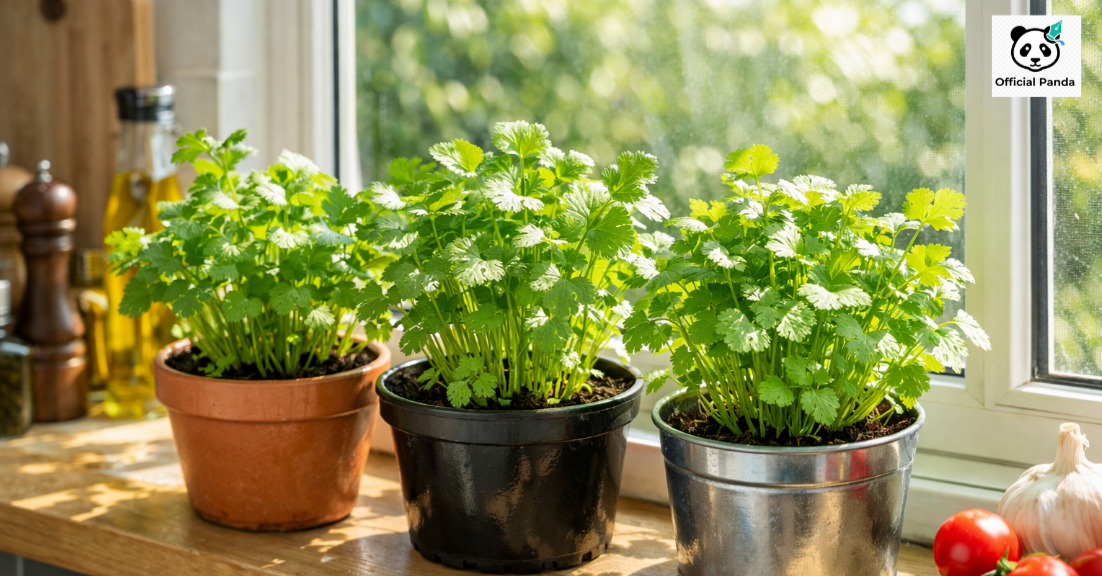
Imagine stepping into your kitchen and being greeted by the fresh, zesty aroma of koriandri. This versatile herb not only elevates your dishes but also offers a plethora of health benefits. If you’ve ever wanted to grow this vibrant herb at home, you’re in luck! Whether you’re an experienced gardener or just starting out, cultivating koriandri can be a rewarding experience. Get ready to explore everything from its nutritional perks to creative culinary uses as we embark on this exciting journey together. Let’s dive into the world of koriandri and discover how you can easily nurture it right in your own backyard!
Growing koriandri at home is easier than you might think. This herb thrives in well-drained soil with plenty of sunlight, making a sunny windowsill or balcony an ideal spot. Start by choosing high-quality seeds and planting them about half an inch deep.
Water the seeds gently to keep the soil moist but not soggy. Koriandri grows quickly, often sprouting within a week. Thin out young plants so they have space to flourish; ideally, aim for around six inches apart once established.
Understanding the Basics of Koriandri
Koriandri, also known as coriander or cilantro, is a versatile herb widely used in various cuisines. Its bright green leaves and aromatic seeds add depth to dishes ranging from salsas to curries. Understanding its characteristics can enhance your culinary adventures.
The plant thrives in warm conditions and well-drained soil. Koriandri grows quickly, often reaching maturity within 3-4 weeks after sowing. This makes it an appealing choice for home gardeners seeking fast results.
When planting koriandri, consider that it prefers full sunlight but can tolerate some shade. Regular watering helps maintain moisture without drowning the roots. With proper care, you’ll enjoy fresh herbs right at your fingertips!
Exploring the Health Benefits of Koriandri
Koriandri, also known as coriander, is more than just a flavorful herb. It’s packed with essential nutrients and antioxidants that can boost your health. Rich in vitamins A, C, and K, it supports your immune system while promoting healthy skin.
This aromatic herb has anti-inflammatory properties too. It may help reduce symptoms of arthritis and other inflammatory conditions. Plus, koriandri aids digestion by stimulating the production of digestive enzymes.
Another noteworthy benefit is its potential to lower blood sugar levels. Studies suggest that incorporating koriandri into your diet might improve insulin sensitivity. This makes it an excellent choice for those looking to manage their blood sugar naturally.
Integrating Koriandri Into Everyday Cooking
Koriandri, or cilantro, can elevate any dish with its fresh and vibrant flavor. Add it to salsas for a zesty kick or sprinkle it over tacos just before serving. Its bright taste complements not only Mexican cuisine but also Asian and Mediterranean dishes.
For soups and stews, tossing in chopped koriandri at the end of cooking brings out its aromatic qualities without losing potency. You can also blend it into sauces or dressings for an extra layer of depth.
Experimenting with koriandri is easy; try incorporating it into marinades for meats or as a garnish on grain bowls. The possibilities are endless when you let your creativity flow in the kitchen!
Cultural Significance of Koriandri
Koriandri, popularly known as cilantro or coriander, holds a revered place in various cultures worldwide. In many Asian and Middle Eastern cuisines, it’s more than just a garnish; it embodies tradition and heritage. Family recipes often rely on this herb to create authentic flavors that have been passed down through generations.
In Mexican culture, koriandri is an essential ingredient in salsas and guacamole, symbolizing freshness and vibrancy. Its presence signifies celebration during festivals and gatherings.
Additionally, koriandri appears in traditional remedies across different cultures for its medicinal properties. From aiding digestion to enhancing flavor profiles in dishes, this versatile herb connects communities while representing their culinary identity.
Growing Koriandri at Home
Growing koriandri at home is an enjoyable and rewarding experience. This herb thrives in well-drained soil and requires ample sunlight, making it perfect for windowsills or small garden spaces. Ensure you provide about six hours of sunlight each day for optimal growth.
Start with seeds or young plants, planting them about 1-2 inches apart to allow room for their natural spread. Water regularly, keeping the soil moist but not soggy; too much water can lead to root rot.
Harvesting is simple—snip off leaves as needed, starting from the outer edges so that new growth continues from the center. With proper care, your koriandri will flourish and enhance your culinary adventures!
Storing and Preserving Fresh Koriandri
To keep fresh koriandri vibrant and flavorful, proper storage is key. After harvesting or purchasing your herbs, rinse them gently to remove any dirt. Pat them dry with a paper towel for best results.
One effective method for storing koriandri is placing the stems in a glass of water, much like flowers. Cover the leaves loosely with a plastic bag and store it in the refrigerator. This helps maintain their freshness for up to two weeks.
Alternatively, you can chop the herb and freeze it in an ice cube tray filled with olive oil or water. Once frozen, transfer the cubes to a sealed container for easy use in cooking whenever needed!
Environmental and Economic Impact of Cultivating Koriandri
Cultivating koriandri offers numerous environmental benefits. It thrives in small spaces, making it ideal for urban gardening. By growing your own herbs, you reduce reliance on commercially farmed produce that often requires extensive transportation and packaging.
On the economic front, homegrown koriandri can save money over time. Purchasing fresh herbs from the store adds up quickly. When you cultivate your own supply, not only do you cut costs, but you also enjoy a fresher product right at your fingertips.
Additionally, cultivating koriandri encourages biodiversity in gardens. It attracts beneficial insects while providing essential nutrients to soil through its growth cycle. This practice fosters healthier ecosystems and contributes positively to local environments.
Common Questions and Misconceptions About Koriandri
Koriandri often raises questions and misconceptions among those unfamiliar with this vibrant herb. One common myth is that koriandri and cilantro are not the same, but they actually represent different parts of the same plant. Koriandri refers to the seeds, while cilantro pertains to its leaves.
Another question people frequently ask is whether koriandri has a strong flavor. The answer varies from person to person, as taste perception can differ widely. Some find it fresh and citrusy, while others detect a soap-like taste due to genetic factors.
Many also wonder if growing koriandri at home is difficult. In reality, it’s quite simple! With adequate sunlight and well-draining soil, anyone can cultivate this herb in their garden or on a windowsill.
Addressing these myths promotes better understanding of koriandri’s versatility in culinary uses and health benefits. Embracing this herb opens doors to new flavors and experiences in your kitchen!