
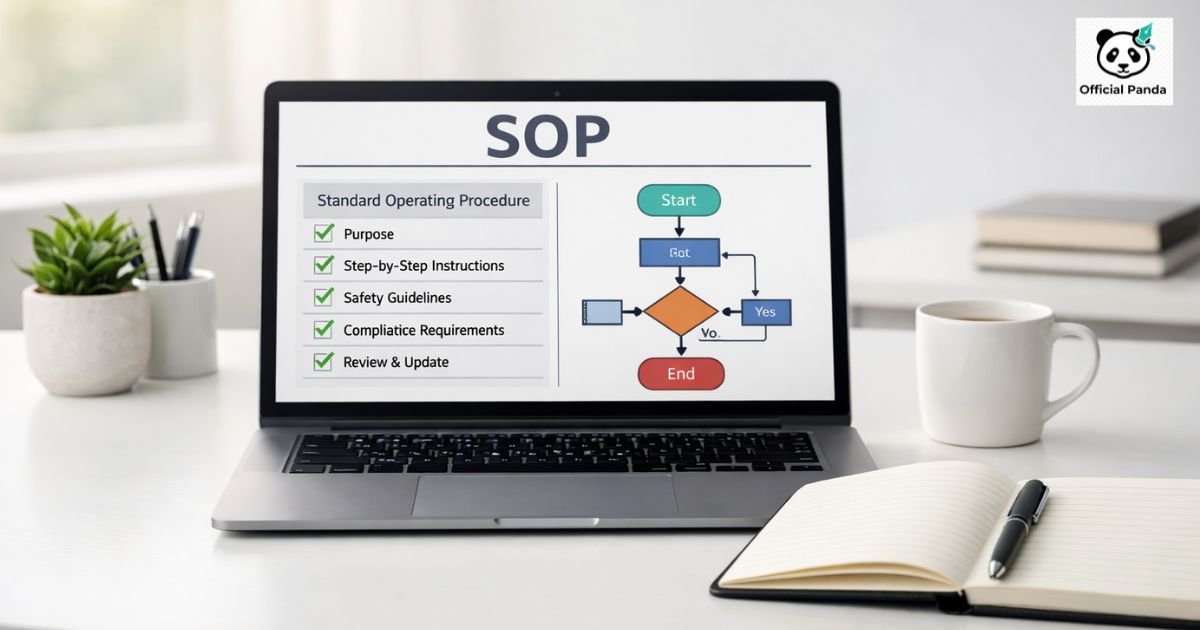
Creating a Protocolo Operacional Padrao (SOP) is essential for businesses aiming to streamline their operations. However, many organizations stumble when drafting these crucial documents. From unclear instructions to overlooking regulatory compliance, the pitfalls can be numerous and costly. Understanding common mistakes in SOP creation can save time and resources while boosting efficiency. Let’s explore how to craft effective protocols that enhance performance across various industries, ensuring your organization runs like a well-oiled machine.
Common Mistakes to Avoid When Creating a Protocolo Operacional Padrao
One of the most frequent mistakes is failing to involve team members in the creation process. Their insights can provide valuable context and make protocols more practical. Ignoring their input may result in unrealistic expectations.
Another common error is using overly complex language. Clarity is crucial when drafting a Protocolo Operacional Padrao, as convoluted terms can lead to misunderstandings. Simple, straightforward instructions are key.
Neglecting to review and update SOPs regularly can create outdated practices that hinder efficiency. Regular assessments ensure that protocols evolve with changing processes or regulations, keeping them relevant and effective for your organization’s needs.
Understanding the Concept of Protocolo Operacional Padrao
Protocolo Operacional Padrao (POP) refers to standardized operational procedures that guide organizations in performing tasks consistently. These protocols ensure clarity and uniformity, helping teams understand their roles and responsibilities.
Understanding POP is crucial for enhancing efficiency. By following these established guidelines, businesses can minimize errors and streamline processes. This leads to better productivity across the board.
A well-defined protocolo operacional padrao fosters an environment of accountability. Employees are more likely to adhere to best practices when clear expectations are set through structured documentation.
Importance and Benefits of Protocolo Operacional Padrao
A Protocolo Operacional Padrao (POP) serves as a vital tool for organizations. It standardizes processes, ensuring consistency and efficiency across various tasks. This uniformity minimizes errors and enhances overall productivity.
Implementing a POP fosters clear communication among team members. Employees understand their roles and responsibilities better, leading to improved collaboration. When everyone is on the same page, workflows become smoother.
Moreover, a well-crafted POP can significantly boost compliance with industry regulations. By adhering to established protocols, organizations can avoid costly fines or legal issues while promoting safety and quality standards throughout their operations.
Applicability of Protocolo Operacional Padrao in Various Industries
The applicability of protocolo operacional padrao spans numerous industries, enhancing efficiency and consistency. In healthcare, these protocols ensure patient safety through standardized procedures for treatments and emergencies.
Manufacturing also benefits significantly; SOPs streamline processes, reduce errors, and maintain quality control across production lines.
In the food industry, protocolos help manage hygiene practices and compliance with health regulations. By implementing effective SOPs tailored to each sector’s unique needs, organizations can improve productivity while minimizing risks associated with non-compliance or operational inconsistencies.
Structuring an Effective Protocolo Operacional Padrao
Structuring an effective protocolo operacional padrao requires clarity and precision. Start by outlining the purpose, ensuring that each section serves a specific function. This helps in guiding users through the process seamlessly.
Next, incorporate clear step-by-step instructions. Use simple language to avoid confusion, helping all team members understand their roles easily.
Include visuals or flowcharts where necessary. These tools can enhance comprehension and facilitate quicker adoption of procedures. A well-structured SOP not only improves efficiency but also fosters compliance across teams.
Overcoming Challenges in Protocolo Operacional Padrao Creation
Creating a Protocolo Operacional Padrao can be daunting. Often, teams face resistance to change from employees who are used to existing processes. It’s crucial to foster an environment that encourages feedback and collaboration.
Another challenge is ensuring clarity in the documentation. Ambiguities can lead to confusion and errors in execution. Engaging relevant stakeholders during the writing process helps clarify expectations and roles.
Keeping up with regulatory changes can complicate SOP creation. Regular reviews of compliance requirements ensure that your protocolo operacional padrao remains current and effective, safeguarding both quality and safety standards within your organization.
Best Practices for Writing and Implementing SOPs
Writing clear and concise SOPs is essential for effective implementation. Use simple language to ensure everyone understands the procedures. Avoid jargon unless absolutely necessary, and always define any technical terms.
Involve team members in the writing process to capture practical insights. Their real-world experience can highlight potential issues or improvements that might be overlooked otherwise.
Regular training sessions on SOPs enhance understanding and compliance among employees. Encourage feedback after these sessions, making adjustments as needed to keep the documents relevant and useful for daily operations.
Compliance Requirements and Regulatory Standards for SOPs
Compliance requirements for a protocolo operacional padrao (SOP) are crucial in maintaining industry standards. Adhering to these regulations ensures that processes are not only effective but also legally sound. Different sectors, such as healthcare and manufacturing, have specific guidelines that must be followed.
Regulatory bodies often outline the necessary components of SOPs. This can include detailed procedures, documentation processes, and training protocols. Organizations need to stay updated on changes in these requirements to avoid penalties.
Furthermore, regular audits may be required to ensure compliance with both internal policies and external regulations. By prioritizing adherence, businesses protect their reputation while enhancing operational efficiency.
Ensuring Relevance and Update of SOPs
Keeping your protocolo operacional padrao relevant is essential for effective operations. Regular reviews ensure that the procedures align with current practices and regulations. Changes in technology, processes, or compliance requirements can render an SOP outdated.
Establish a schedule for periodic updates. Involve team members who use the SOPs daily to gather their insights on what works and what doesn’t. Their feedback is invaluable in making necessary adjustments.
Incorporating new information promptly helps maintain efficiency and safety standards. A living document ensures everyone adheres to best practices while adapting to evolving industry needs.
Utilizing SOPs for Training and Knowledge Enhancement
Utilizing protocolo operacional padrao (SOPs) for training is a strategic move. SOPs serve as foundational documents that guide new employees through processes and protocols. They clarify expectations and responsibilities, helping staff build confidence in their roles.
Incorporating SOPs into training programs ensures consistency across the board. Employees can refer back to these documents, reinforcing learning and minimizing errors on the job. This accessibility fosters a culture of continuous improvement.
Moreover, regular updates to SOPs keep knowledge current and relevant. Engaging employees in this process enhances their understanding while promoting accountability within teams.
Conclusion
Creating a Protocolo Operacional Padrao requires careful planning and execution. By avoiding common mistakes, you can ensure that your SOPs are clear and effective. Remember to structure them well, keep them updated, and involve your team in the process. This will not only enhance compliance but also improve training outcomes across various industries. Embrace best practices for writing and implementing your SOPs to maximize their impact on operational efficiency and knowledge sharing within your organization.