
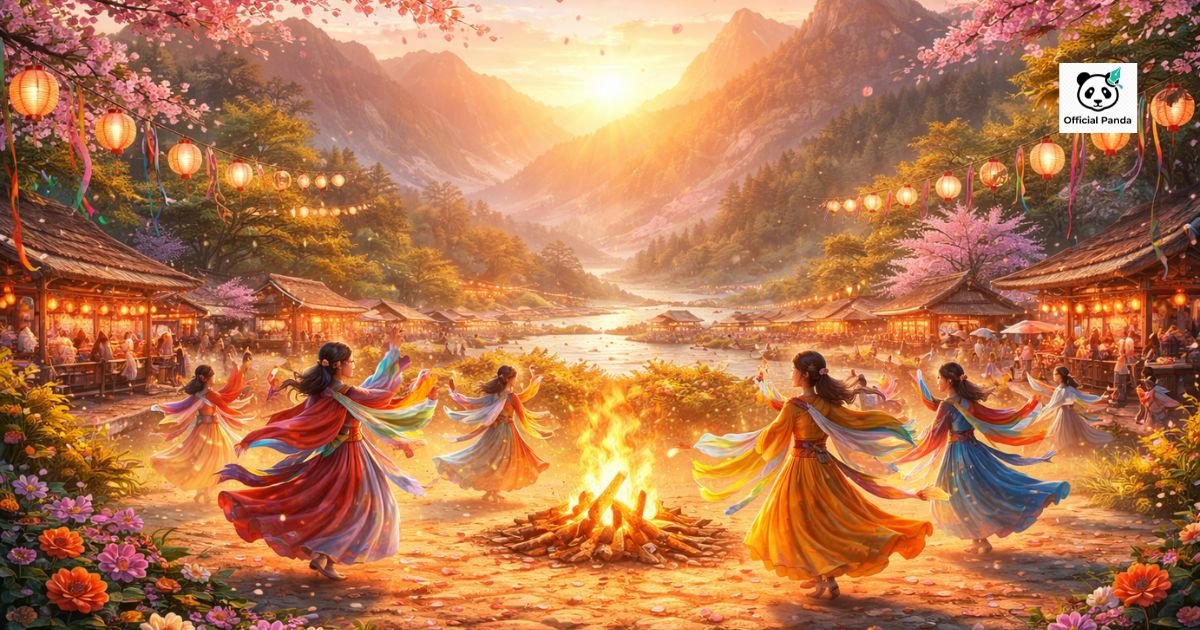
Tsunaihaiya is a word that instantly sparks curiosity and imagination. You may hear it once and feel its rhythm echo in your mind. This mysterious term carries a soft musical tone that hints at cultural concept, unity, and creative energy. Many people explore its meaning through art, music, and digital spaces where identity and expression blend together.
The beauty of the interpretation lies in its open nature, allowing each person to attach their own story. Some connect it with tsunaihaiya linguistic roots, while others see it as part of modern culture, shaping a new symbol of connection, rhythm, and artistic inspiration.
The Meaning, Origins, and Modern Influence of Tsunaihaiya
Many linguists look at the tsunaihaiya interpretation by studying its sound. The first part may relate to the Japanese verb tsunagu, which suggests linking or joining. This points to deep linguistic roots tied to unity. The second part feels like a rhythmic chant heard in folk songs. Together, they form a word that feels energetic and uplifting. This blend creates powerful symbolism connected to movement and spirit.
In modern times, the tsunaihaiya modern culture has grown online. It appears in art forums, music titles, and creative brands. Many creators use it for artistic use because of its smooth sound and cultural aesthetics. It often becomes a symbol in creative spaces where artists seek a unique voice. This shift from sound to symbol shows how language evolves in the digital age.
| Element | Possible Meaning | Cultural Impact |
| Tsunai | Link or connect | Unity and teamwork |
| Haiya | Chant or call | Energy and rhythm |
| Combined form | Connected spirit | Creative identity |
Cultural Roots and Communal Traditions
In many cultures, words and chants hold deep meaning. The cultural concept reflects traditions where sound unites a group. Similar chants appear in farming songs, rowing calls, and festival dances. These shared rhythms build trust and harmony. The tsunaihaiya interpretation often focuses on this communal energy. It reminds people that voices together create strength.
Communities use rhythmic sounds to pass stories across generations. These chants carry emotions, values, and memories. The tsunaihaiya symbolism fits this pattern. It reflects the idea that culture lives through sound and movement. In many ways, it acts like a bridge between the past and the present.
Tsunaihaiya in Arts and Creative Expression
Artists love words that feel mysterious. It offers exactly that. Its sound carries a natural rhythm. This makes it popular in music, poetry, and digital art. The tsunaihaiya artistic use appears in album titles, character names, and creative brands. Many creators say the word inspires movement and emotion. Its cultural aesthetics give it a soft yet powerful tone.
In modern art, the tsunaihaiya digital presence continues to grow. Designers use it in creative projects to express unity and energy. It often becomes part of artistic usernames or logos. This helps artists build a unique digital identity. In this way, Tsunaihaiya becomes a symbol of imagination rather than a strict definition.
Travel and Eco-Tourism in Tsunaihaiya
Some travel writers use Tsunaihaiya as a symbolic destination. It represents places where nature and culture blend. The tsunaihaiya cultural concept fits eco-tourism ideas. It suggests harmony between people and the environment. Travelers seek locations that offer authentic traditions and natural beauty. This unique word stands for that balance.
Eco-tourism linked to the phrase focuses on respect. Visitors support local communities and protect landscapes. This approach follows the spirit of connection and bonding. It shows how travel can strengthen culture rather than damage it. The idea of this concept becomes a guide for responsible exploration.
Culinary Delights of Tsunaihaiya
Food often carries the spirit of a culture. In the world of this cultural term, meals represent unity and celebration. Shared dishes bring families and communities together. The tsunaihaiya interpretation includes flavors that reflect tradition and warmth. Each recipe tells a story of local life.
Cultural foods connected to the idea usually focus on fresh ingredients and simple preparation. These meals highlight natural taste and balance. The table becomes a place of connection and bonding. In this way, food expresses the same rhythm and unity found in the word Tsunaihaiya.
| Dish Type | Cultural Meaning | Experience |
| Shared stew | Community unity | Group dining |
| Festival sweets | Celebration | Special occasions |
| Street snacks | Daily life | Local flavor |
Must-Visit Places and Experiences in Tsunaihaiya
Travelers imagine Tsunaihaiya as a place full of culture and rhythm. They picture lively markets, colorful festivals, and peaceful landscapes. These experiences reflect the tsunaihaiya cultural concept. Visitors look for moments that feel authentic and meaningful. This search leads them to local art, music, and traditions.
Festivals inspired by this expression often feature dance and music. The energy of the crowd creates a living rhythmic chant. Such events show how sound and movement unite people. These experiences help visitors understand the deeper tsunaihaiya symbolism behind the concept.
Capturing Tsunaihaiya: Photography and Travel Tips
Photographers love the emotion behind Tsunaihaiya. The concept offers strong visuals and cultural depth. Scenes of festivals, markets, and landscapes reflect the artistic use. These images tell stories of unity and movement. A good photo captures both the people and their shared rhythm.
Respectful photography is important in cultural spaces. Travelers should ask permission and observe local customs. This approach honors the tsunaihaiya interpretation of respect and unity. It ensures that images reflect true culture rather than staged moments.
Modern Challenges and Preservation Efforts
Globalization brings both opportunity and risk. The tsunaihaiya modern culture grows online. However, rapid spread can blur original meanings. Some people use the term without understanding its cultural depth. This creates confusion and weakens its symbolism.
Communities now work to protect cultural expressions. They share stories, art, and traditions with respect. This effort keeps the cultural concept alive. It also teaches new generations about the value of unity and shared heritage.
Conclusion
Tsunaihaiya remains a word full of mystery and beauty. Its linguistic roots suggest unity and rhythm. Its presence in art and travel shows its wide appeal. The concept grows through creativity and shared imagination.
In the end, this cultural term stands as a symbol of connection and bonding. It links people, cultures, and ideas. Whether in art, travel, or digital spaces, its spirit continues to inspire. The journey of Tsunaihaiya is still unfolding, and you are now part of its story.